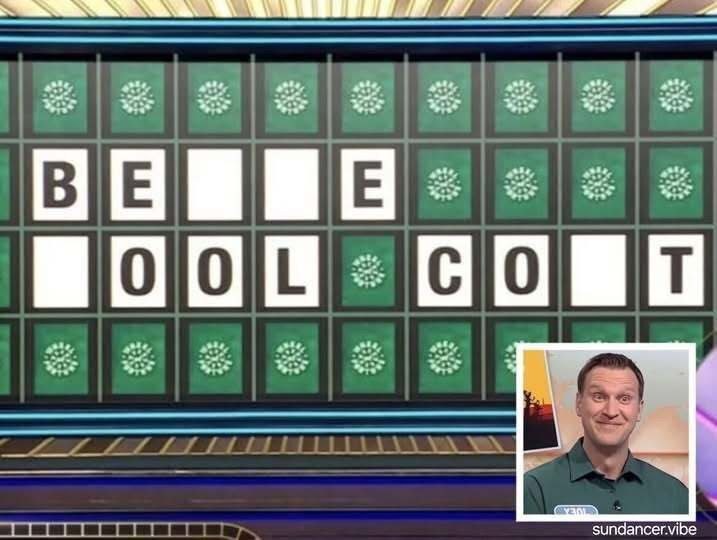
Television game shows possess a unique ability to capture lightning in a bottle, transforming the mundane act of solving word puzzles into high-stakes drama that keeps millions of viewers glued to their screens. These programs thrive on the palpable tension of the studio environment, where the combination of bright lights, a roaring audience, and a ticking clock can turn even the most composed individuals into a bundle of nerves. On a recent episode of the long-running phenomenon Wheel of Fortune, this exact dynamic played out in a way that left an entire nation talking, serving as a masterclass in how quickly a triumphant night can transform into a moment of collective bewilderment.
The contestant at the center of this storm was Joey Moorman, a player who had already cemented his status as a formidable force throughout the episode. Before he even reached the final stage, Joey had demonstrated an impressive knack for the game, outmaneuvering his opponents with strategic precision. By the time he navigated his way to the Bonus Round, he had already amassed a respectable fortune of over twenty-two thousand dollars, along with a stunning dream vacation to the pristine Cook Islands. Walking onto the stage to face the final challenge, he was accompanied by his mother and sister, whose faces beamed with genuine pride and excitement. To the audience, it felt like the conclusion of a perfect victory lap, the final bow on an already spectacular performance.
Then, the game shifted into the high-pressure finale. The board flickered to life, displaying a fragmented phrase that seemed, at first glance, to be well within the realm of possibility for a player of Joey’s caliber. The letters appeared as BE_ _E WOOL CO_T. For the legions of viewers watching comfortably from their living rooms, the answer seemed to materialize almost instantaneously. To the home audience, the solution, beige wool coat, was staring right at them from the screen. It was a standard, everyday phrase, lacking the cryptic nature that usually characterizes the most difficult puzzles on the show. Yet, as the camera panned to Joey, it was clear that the reality on stage was vastly different from the experience of those watching at home.
The ten-second countdown began its rhythmic, relentless march toward the buzzer. As the clock ticked, the atmosphere in the studio thickened with anticipation. Joey began to vocalize his thought process, desperation creeping into his voice as he cycled through various combinations of words. His eyes darted across the board, his brow furrowed in intense concentration. The letters on the screen remained elusive, the logic of the puzzle slipping through his mental grasp as the adrenaline surged. The audience, sensing the impending tragedy, fell into a suffocating, heavy silence. Every passing second seemed to stretch into an eternity, the pressure of the moment mounting until it was almost tangible.
When the final buzzer sounded, the collective sigh from the studio audience was audible. As the remaining letters illuminated to reveal the phrase beige wool coat, the silence broke, replaced by a mixture of gasps and sympathetic groans. The look on Joey’s face was one of absolute, crushing realization. He stood motionless for a heartbeat, his eyes fixed on the board as the weight of the moment settled in. He had been a mere fraction of a second away from claiming an additional forty thousand dollars, a sum that would have undoubtedly changed his life. Beside him, his family mirrored his devastation, their earlier joy momentarily replaced by a look of disbelief that transcended the screen and resonated deeply with viewers everywhere.
Social media platforms erupted almost immediately. Within minutes of the broadcast, hashtags related to the show were trending, filled with a complex blend of reactions. Some users expressed deep sympathy, acknowledging how cruel the environment of a game show can be, while others struggled to comprehend how such a seemingly simple puzzle could remain unsolved. The internet, often known for its harsh criticism, saw a wave of debate regarding the psychological toll of the stage. Was it the pressure of the cameras? The blinding glare of the lights? Or perhaps the simple, chaotic nature of human fallibility that we are all susceptible to in high-stakes situations?
Cognitive experts frequently weigh in on these types of occurrences, pointing to the science of performance under stress. When the brain is flooded with cortisol and adrenaline, the ability to retrieve information from long-term memory can be severely compromised. In a calm environment, the phrase beige wool coat would likely be solved in less than a second. However, under the intense scrutiny of a national audience and the looming fear of failure, the brain often enters a state of fight-or-flight that inhibits logical thought. This phenomenon is a universal truth of the human experience; we have all stood on the precipice of a simple task, only to have it crumble before us because our nerves took the wheel.
Despite the profound disappointment of that final round, it is important to remember that Joey Moorman walked away as a significant winner. He left the stage not just with his pride, but with a substantial amount of money and a luxury getaway that most people could only dream of. However, the legacy of that moment will not be his winnings, but rather the human element of his failure. It serves as a stark, relatable reminder that even in the brightest moments of our lives, we are all subject to the sudden, jarring intervention of our own limitations. The puzzle remained unsolved, but the story became something much larger—a snapshot of the frustration, empathy, and collective suspense that defines our connection to the games we love to watch.